
When analyzing Luxury Safari Tents Price, it’s important to understand that pricing in this segment is not fixed or standardized. Instead, it is defined by a combination of product specifications, performance requirements, and market positioning. For investors and buyers, recognizing these factors helps in evaluating true value rather than focusing only on initial cost.
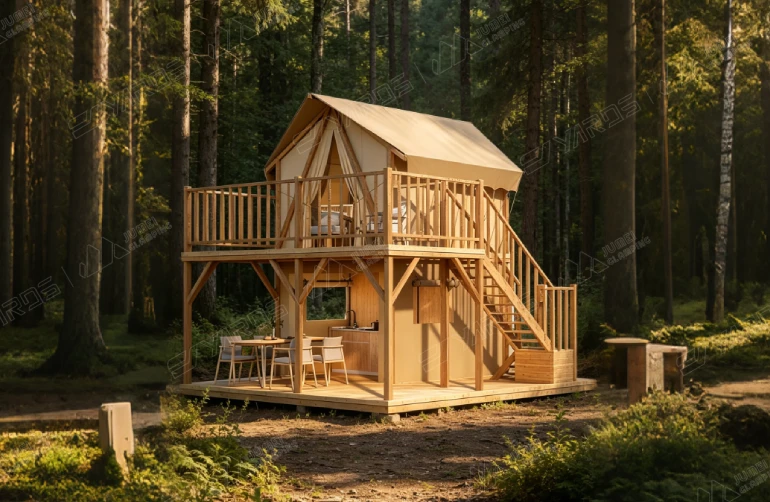
One of the core elements is product configuration. Luxury safari tents are often customized to meet specific project needs, including size, layout, and functional zones. Larger spaces, multi-room designs, or integrated bathroom systems naturally increase the overall price.
Material quality plays a decisive role in defining market value. Premium safari tents use high-grade canvas or PVC materials with enhanced waterproofing, UV resistance, and durability. At the same time, structural frames made from galvanized steel or solid wood contribute to strength and longevity, which are reflected in pricing.
Another important factor is the level of comfort and interior integration. Luxury tents are designed to provide a hotel-like experience, often including flooring systems, insulation, furniture, lighting, and sometimes full utility integration. The more complete the interior setup, the higher the total cost.
Environmental adaptability also influences price. Tents designed for extreme climates or challenging terrains require reinforced structures, upgraded materials, and additional engineering, all of which contribute to higher pricing in the market.
Brand positioning and manufacturing capability further shape pricing. Suppliers with advanced production technology, strict quality control, and strong project experience tend to position their products at a higher level. This often reflects better reliability, consistency, and service support.
Customization and design complexity are also key pricing drivers. Unique architectural styles, panoramic openings, and tailored aesthetic elements can elevate both the visual appeal and the cost of the product.
In addition, logistics and installation scope are often part of the overall pricing structure. Transportation, site preparation, and assembly requirements vary by project and can significantly affect the total investment.
From a market perspective, luxury safari tent pricing is often defined by value positioning rather than basic cost. High-end projects prioritize guest experience, durability, and design, which leads to a higher but more competitive long-term return.
In conclusion, Luxury Safari Tents Price is determined by a combination of configuration, materials, comfort level, environmental performance, and brand strength. Understanding these factors allows buyers to make informed decisions and select solutions that align with both project goals and market expectations.