
As outdoor hospitality and glamping tourism continue to expand worldwide, many investors are researching Luxury Safari Tents Price before launching resort and accommodation projects. Understanding how safari tent pricing is determined and why these structures are becoming a major investment trend can help developers make more informed decisions.
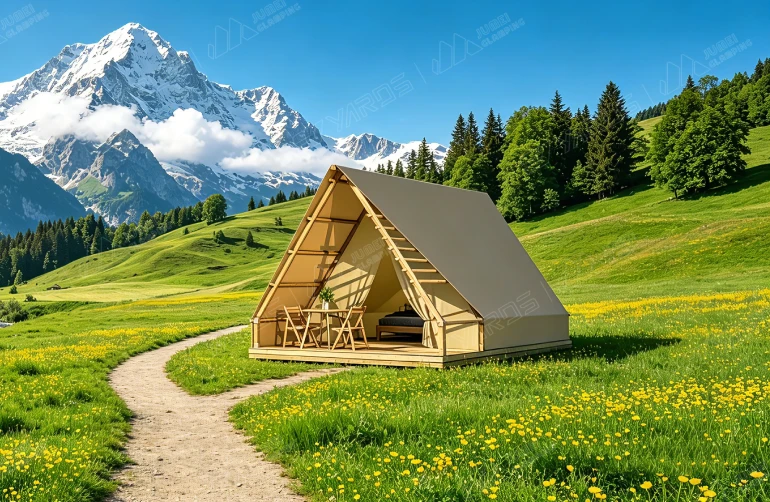
The price of a luxury safari tent is influenced by several important factors. One of the primary considerations is tent size and layout. Larger accommodation units require more materials, stronger structural systems, and additional interior space, which naturally increase the overall cost.
Material quality is another major pricing factor. Premium safari tents are often manufactured with high-performance canvas, waterproof and UV-resistant coatings, durable frame systems, and weather-resistant components designed for long-term outdoor operation.
Interior configuration also plays a significant role in determining price. Luxury safari tents equipped with private bathrooms, premium furniture, insulation systems, air-conditioning compatibility, and customized interiors typically require a higher investment than basic accommodation models.
Customization requirements can further affect pricing. Many resorts choose to tailor tent designs according to local climate conditions, brand identity, landscape integration, and guest experience goals. Customized solutions generally involve additional engineering and production costs.
Transportation and installation expenses should also be included when evaluating total project investment. Shipping distance, site accessibility, foundation requirements, and assembly services can all influence the final budget.
While the initial purchase cost may vary, luxury safari tents often provide strong value for hospitality projects. Compared to conventional hotel construction, they usually require lower development costs and significantly shorter installation timelines.
One of the main reasons safari tents are becoming a popular investment choice is the rapid growth of eco-tourism and experiential travel. Modern travelers increasingly prefer accommodations that offer a close connection to nature while maintaining hotel-level comfort.
Luxury safari tents meet this demand by combining outdoor immersion with modern amenities. Guests can enjoy scenic environments while benefiting from comfortable living spaces, private facilities, and unique accommodation experiences.
Another advantage is flexibility. Safari tent resorts can be developed in forests, mountains, deserts, lakesides, grasslands, and coastal destinations, allowing investors to create distinctive tourism products in a wide range of environments.
From a business perspective, luxury safari tents offer strong scalability. Investors can begin with a smaller number of units and expand gradually as occupancy rates and market demand increase.
The visual appeal of safari tent resorts also contributes to their growing popularity. Their distinctive architecture and nature-focused design often perform well in tourism marketing and social media promotion.
As travelers continue to prioritize unique experiences, sustainable tourism, and outdoor lifestyles, the demand for luxury safari tent accommodations is expected to remain strong.
Overall, Luxury Safari Tents Price should be evaluated based on structure, materials, interior features, customization, and installation requirements. Despite the varying cost levels, luxury safari tents continue to be one of the most promising accommodation solutions for modern resort investment and outdoor hospitality development.