
Outdoor travel has become one of the fastest-growing segments of the global tourism industry, and Safari Tents Camping is now attracting both travelers and investors. As people increasingly seek unique experiences in nature instead of conventional hotel stays, safari tent resorts have become popular destinations that combine comfort, adventure, and beautiful landscapes. This growing demand has also made safari camping an attractive business opportunity for entrepreneurs.
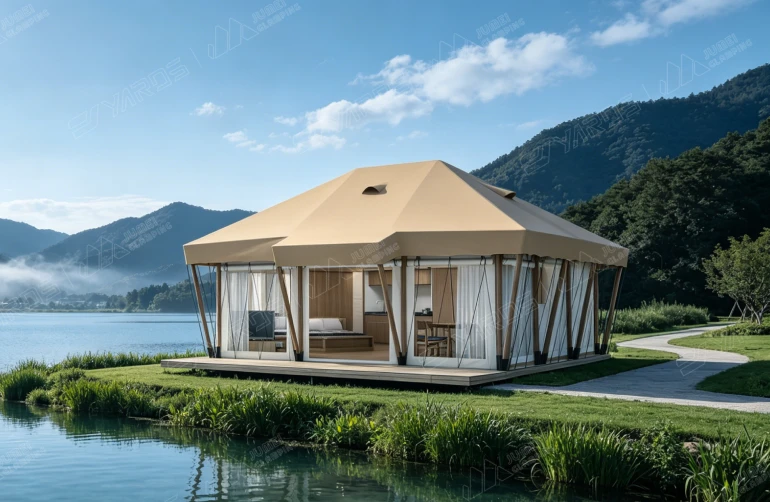
The popularity of Safari Tents Camping is closely linked to changing travel preferences. Modern tourists want more than sightseeing—they want memorable experiences. Staying in a safari tent allows guests to enjoy forests, mountains, lakes, beaches, or wildlife while still benefiting from comfortable beds, private bathrooms, and hotel-style amenities. This combination of luxury and nature appeals to couples, families, wellness travelers, and international visitors.
Compared with traditional camping, safari tent accommodation offers a much higher level of comfort. Guests can enjoy spacious interiors, quality furniture, electricity, climate control, and private outdoor terraces without giving up the excitement of outdoor living. These features have helped safari tent resorts attract travelers who may not be interested in basic camping.
The rapid growth of Safari Tents Camping has also created new opportunities for tourism destinations. Resorts located in natural environments can offer distinctive accommodation that differentiates them from traditional hotels. This not only attracts more visitors but also encourages longer stays, increasing spending on dining, outdoor activities, and local attractions.
For entrepreneurs, safari camping has become an increasingly attractive investment direction. Compared with large hotel developments, safari tent projects generally require lower initial construction costs while offering premium accommodation that can command competitive nightly rates. The combination of efficient development and strong market demand makes this business model appealing to both new and experienced investors.
Another advantage is project flexibility. Resort operators can begin with a smaller number of safari tents and expand gradually as occupancy grows. This phased development approach helps control investment risks while allowing businesses to respond to changing market demand.
The global focus on eco-tourism and sustainable travel has further strengthened the future of Safari Tents Camping. Many travelers now actively choose accommodations that offer close contact with nature while minimizing environmental impact. Safari tents fit this trend perfectly, making them a preferred option for environmentally conscious tourism projects.
Social media has also contributed to the popularity of safari camping. Beautiful tent accommodations surrounded by stunning landscapes are widely shared online, generating free publicity for resorts and encouraging more travelers to experience luxury camping for themselves. This organic exposure helps operators strengthen their brand without relying solely on traditional advertising.
Choosing the right location is essential for long-term success. Safari tent resorts perform particularly well in destinations with attractive natural scenery, outdoor activities, and convenient transportation. Combining comfortable accommodation with unique local experiences creates stronger customer satisfaction and encourages repeat visits.
Working with an experienced manufacturer is equally important. High-quality safari tents, durable structural systems, weather-resistant materials, and professional technical support all contribute to reliable long-term operations and improved guest experiences.
Overall, Safari Tents Camping has evolved from a niche travel concept into a major trend within the global tourism industry. As travelers continue searching for immersive outdoor experiences and investors seek profitable hospitality opportunities, safari camping offers an ideal balance of comfort, sustainability, and commercial potential. With strong market demand and flexible development options, it is expected to remain one of the most promising investment directions in outdoor tourism for years to come.