
Building a successful glamping resort requires more than choosing attractive tents. Investors need to consider structural safety, guest comfort, construction costs, and long-term maintenance. Working with reliable Glamping Tent Suppliers can help turn a resort concept into a practical project while reducing purchasing risks and improving operational efficiency.
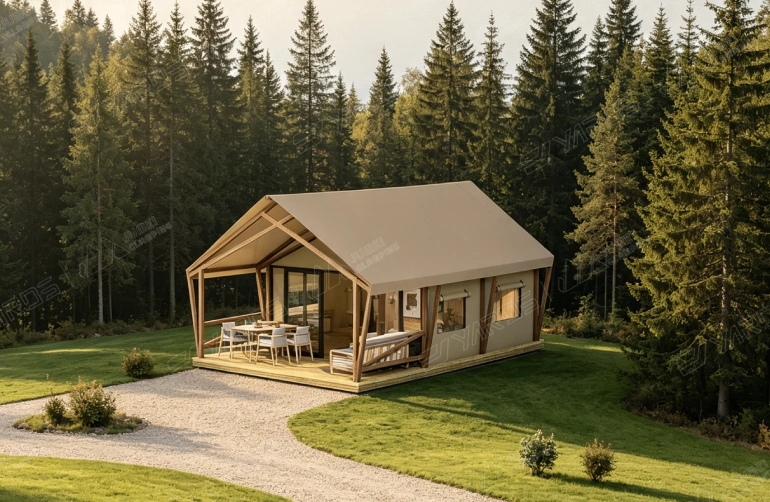
Define Your Resort’s Positioning
Before selecting a supplier, clarify your resort’s target guests and overall style. A luxury nature retreat may require spacious safari tents with private bathrooms and wooden decks, while a family campsite may prioritize larger layouts and practical facilities. Coastal, forest, and desert locations also have different requirements for ventilation, insulation, waterproofing, and wind resistance.
A clear project plan helps you choose suitable tent models, interior configurations, and optional features without spending unnecessarily on equipment your guests may not need.
Evaluate Material Quality and Structural Stability
Outdoor accommodation must withstand repeated exposure to sunlight, rain, humidity, and wind. When comparing Glamping Tent Suppliers, ask for detailed information about frame materials, fabric specifications, waterproofing, UV resistance, connection systems, and anchoring methods.
Do not rely on appearance or general durability claims alone. Request relevant test reports, warranty terms, and structural information suited to your site’s conditions. Professional installation guidance is equally important because even high-quality materials cannot ensure stability if the foundation, anchoring, or assembly is inadequate.
Check Manufacturing Experience and Customization
An experienced supplier should understand the practical needs of hospitality projects, not just tent production. Review completed resort projects, production capacity, quality-control procedures, and delivery schedules. Previous projects in similar climates can help demonstrate whether a proposed design is suitable for your location.
Customization is another important consideration. Options such as different tent sizes, insulated walls, glass panels, bathrooms, flooring, and branded finishes can help create a distinctive guest experience. For larger developments, consistent specifications across multiple units also make future expansion and maintenance easier.
Compare Long-Term Value, Not Just Price
The lowest quotation may not deliver the best return on investment. Lower-quality materials, unclear warranties, delayed delivery, or limited after-sales support can increase operating costs after the resort opens.
Compare quotations by checking exactly what is included, from the main structure and interior fittings to shipping, installation guidance, replacement parts, and maintenance support. Reliable Glamping Tent Suppliers should communicate clearly and provide realistic timelines, allowing investors to plan construction and opening dates more confidently.
A Brand Worth Considering: Jumei
When building a supplier shortlist, resort developers can consider manufacturers such as Jumei, which offers glamping tent solutions and customization options for different outdoor hospitality projects. Its product range can be explored alongside other suppliers to compare design flexibility, materials, project experience, and service capabilities.
Ultimately, choosing the right Glamping Tent Suppliers means finding a partner that understands your resort’s environment, budget, and long-term business goals. Careful evaluation before purchase can help create a comfortable, stable, and visually appealing destination that supports guest satisfaction and sustainable resort growth.