
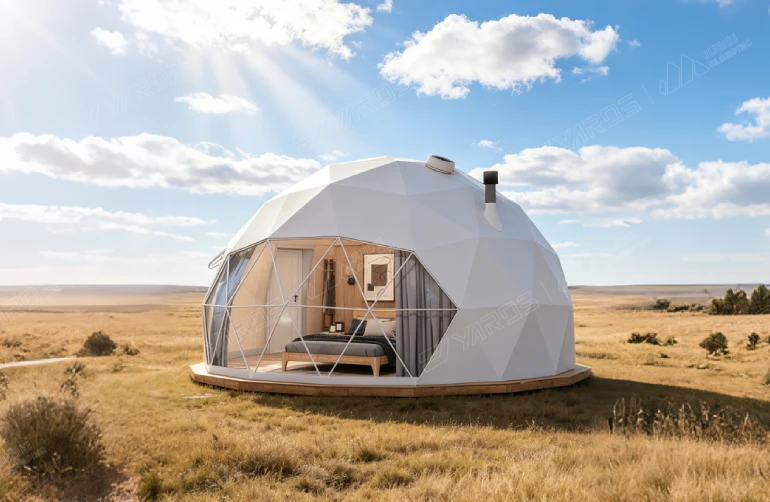
As the global glamping industry continues to grow, demand for Geodesic Glamping Domes for Sale is increasing in international tourism and outdoor hospitality markets. For buyers and investors, understanding export procedures and customs requirements is essential to ensure smooth overseas transportation and project delivery.
One of the most important parts of international shipping is preparing the correct export documentation. Professional manufacturers typically provide commercial invoices, packing lists, bills of lading, and certificates of origin to support customs clearance in the destination country.
Depending on the market, some countries may also require additional compliance documents such as material certifications, fire-retardant test reports, or structural safety certifications. These documents help confirm that the dome structures meet local safety and import standards.
Proper product classification is another important factor during customs processing. Geodesic glamping domes are usually categorized as prefabricated outdoor structures or tourism accommodation products, and the correct HS code is necessary to avoid delays or additional inspection requirements.
Packaging standards also play a major role in international transportation. Dome components are typically packed into shipping containers using protective materials to prevent damage during sea freight transport. Well-organized packaging can also improve loading efficiency and reduce shipping costs.
Before shipment, buyers should confirm whether the destination country has any special import regulations, quarantine requirements, or environmental restrictions related to construction materials or outdoor hospitality products.
Shipping methods are usually arranged through sea freight because dome structures involve large frames and modular components. Delivery timelines may vary depending on production schedules, customs processing, and local transportation conditions.
Another important consideration is customs duties and import taxes. Different countries apply different tariff policies, so buyers should evaluate local import costs before finalizing the purchase agreement.
Professional suppliers often assist buyers with logistics coordination and export preparation. Experienced manufacturers may provide technical documentation, loading plans, and customs support, helping international projects proceed more efficiently.
Insurance coverage during transportation is also recommended for large glamping dome projects. This helps reduce financial risk in case of shipping damage or unexpected logistics issues.
Overall, understanding export and customs requirements is an essential part of purchasing Geodesic Glamping Domes for Sale. By preparing proper documentation, confirming local regulations, and working with experienced suppliers, buyers can ensure smoother international delivery and successful resort project development.