
As personalized outdoor experiences become more popular, DIY Glamping Tents are gaining attention among individuals and resort developers alike. Building or customizing your own glamping tent allows for greater creativity, flexibility, and cost control—but it also requires careful planning to ensure long-term performance.
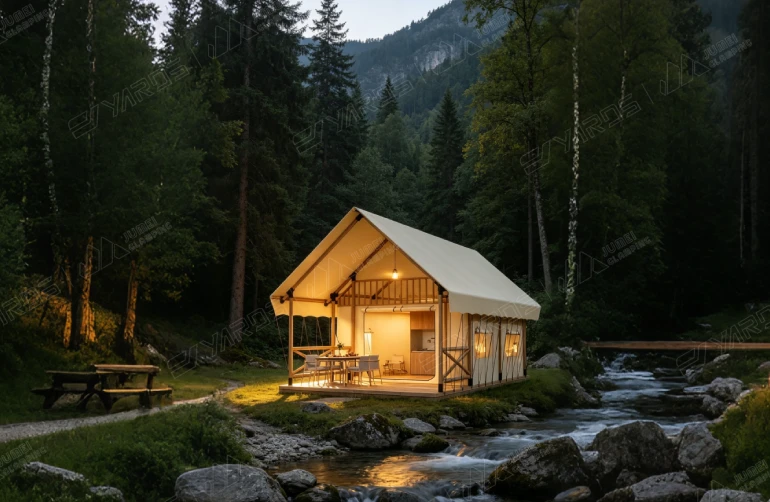
One of the main advantages of DIY glamping tents is full customization. You can design the tent size, layout, and features based on your specific needs, whether for personal use, rental purposes, or a resort project. This flexibility allows you to create a unique space that stands out in the market.
Cost efficiency is another benefit. Compared to purchasing fully finished luxury units, a DIY approach can help reduce initial investment, especially when selecting materials and features strategically. However, it’s important to balance cost savings with quality to avoid higher maintenance expenses later.
When planning a DIY glamping tent, material selection is a critical factor. Durable fabrics such as canvas or PVC should be chosen for their weather resistance, including protection against rain, UV exposure, and wind. A strong frame structure is equally important to ensure safety and stability.
Environmental adaptability should also be considered. The tent design needs to match the local climate and terrain. For example, windy areas require reinforced anchoring systems, while colder regions need better insulation solutions to maintain comfort.
Another key point is ventilation and temperature control. Proper airflow design helps prevent overheating in warm climates, while additional layers or liners can improve heat retention in colder environments.
Installation planning is essential for a successful DIY project. This includes preparing the site, ensuring a stable foundation, and organizing the assembly process. A well-prepared setup will improve efficiency and reduce potential issues during installation.
Maintenance and durability should not be overlooked. Choosing quality materials and proper construction methods will extend the lifespan of the tent and reduce long-term upkeep.
From an operational perspective, DIY glamping tents offer flexibility and scalability. You can start with a small setup and expand gradually, making it suitable for both personal projects and business development.
Overall, DIY Glamping Tents provide a customizable and cost-effective solution for outdoor accommodation. By paying attention to materials, design, environmental factors, and installation, users can create a functional and attractive glamping space that meets modern expectations.