
As the global outdoor hospitality market continues to expand, Buying a Glamping Tent has become an increasingly attractive option for resort developers, campsite operators, and new investors entering the tourism industry. Glamping tents combine luxury accommodation with immersive outdoor experiences, making them a popular choice in modern travel. However, before investing in a glamping tent project, buyers need to understand both the investment potential and the key factors to consider during procurement.
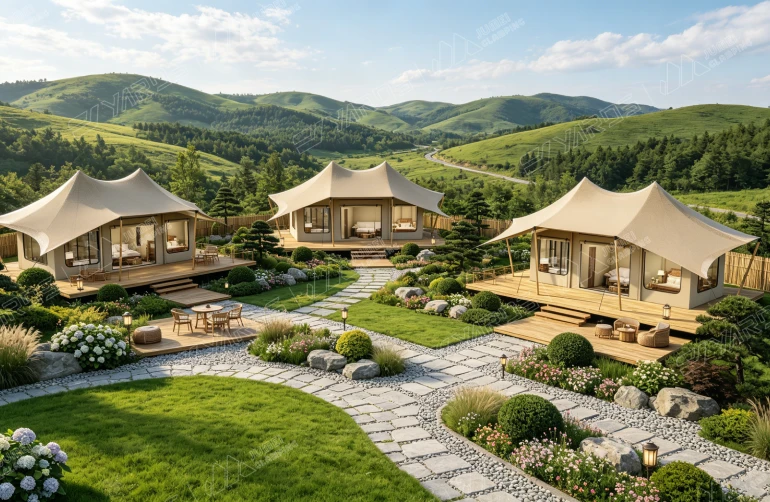
One of the biggest advantages of investing in glamping tents is the growing market demand. Travelers today are seeking more than standard hotel stays. They want unique experiences that combine comfort, privacy, and close connection with nature. This shift has created strong demand for luxury outdoor accommodations worldwide.
Glamping tents fit perfectly into this trend. They offer guests the opportunity to enjoy scenic locations such as forests, mountains, beaches, deserts, and lakesides while maintaining hotel-level comfort. This strong consumer demand creates attractive business opportunities for investors.
Compared with traditional hotel construction, glamping tents usually require lower upfront investment. Building a conventional hotel often involves high construction costs, longer timelines, and more complex development requirements. Glamping tents offer a more flexible and cost-efficient alternative.
Fast installation is another major advantage. Most glamping tents use prefabricated structural systems, allowing production in factories before delivery to the project site. On-site installation is much faster than traditional construction, enabling projects to begin operations sooner and generate revenue more quickly.
For investors, this shorter payback cycle can significantly improve ROI potential. Lower construction costs combined with premium accommodation pricing often create attractive profit margins, especially in high-demand tourism locations.
Location flexibility also increases investment value. Glamping tents can be installed in areas where traditional buildings may be difficult or expensive to construct. This creates opportunities to develop unique hospitality projects in scenic destinations.
However, successful investment depends heavily on choosing the right products and suppliers. Procurement is one of the most critical stages of the project.
The first factor buyers should evaluate is structural quality. Glamping tents are designed for long-term outdoor use, so the frame structure must be durable and stable. High-quality products often use galvanized steel, aluminum alloy, or solid wood structural systems to improve strength and lifespan.
Material quality is equally important. Buyers should carefully evaluate tent cover materials, roofing systems, insulation layers, windows, and waterproof performance. Premium materials improve durability, weather resistance, and long-term maintenance costs.
Weather adaptability should be a major consideration. Different project locations face different environmental challenges such as strong wind, heavy rain, high humidity, intense sunlight, snow, or sandy conditions. Buyers should select products designed for their local climate conditions.
Comfort is another key procurement factor. Guest experience directly affects occupancy rates and pricing potential. Buyers should evaluate interior space planning, insulation performance, ventilation, bathroom configuration, and overall living comfort.
Tent size and layout should also match the target market. Couples, families, luxury travelers, and group guests often have different accommodation needs. Choosing the right room size and functional layout improves both guest satisfaction and operational efficiency.
Supplier capability is equally important when buying glamping tents. Buyers should assess manufacturer experience, production capacity, project cases, quality control systems, and after-sales service. Experienced suppliers can usually provide better technical support and more reliable product quality.
Customization options may also influence procurement decisions. Many resort projects require tents tailored to specific branding, design styles, or site conditions. Flexible suppliers can better support these project requirements.
Transportation and installation costs should also be included in procurement planning. Product price alone does not represent total investment. Buyers should calculate shipping, customs duties, site preparation, installation, and utility connection costs.
For first-time investors, starting with a smaller-scale project is often a practical strategy. Launching with a limited number of glamping tents allows operators to test market demand, optimize operations, and reduce investment risk before expanding further.
Overall, Buying a Glamping Tent can offer strong investment potential thanks to rising market demand, fast installation, and attractive ROI opportunities. However, successful project development depends on careful procurement decisions, including product quality, supplier strength, environmental adaptability, and total cost planning.