
In today’s fast-paced world, more people are looking for ways to escape busy cities, reduce stress, and reconnect with nature. As a result, Safari Tents Camping has become increasingly popular among travelers seeking a balance between outdoor adventure and modern comfort. What was once considered a niche tourism activity has now evolved into a major segment of the global hospitality industry, creating significant opportunities for resort operators and investors.
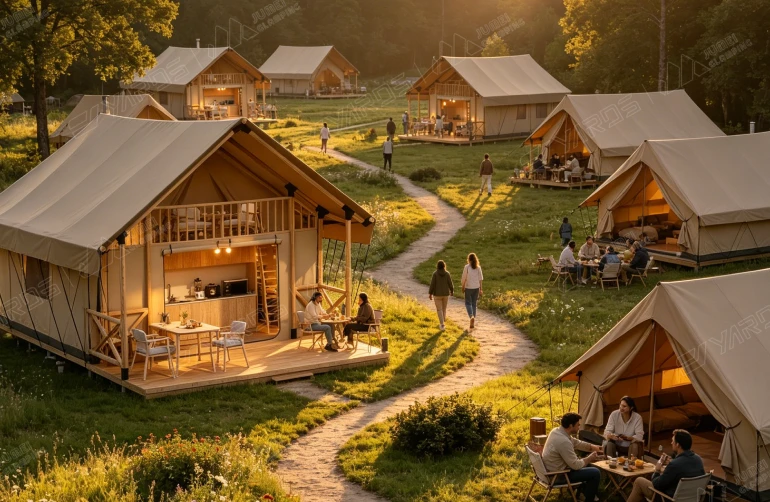
Modern consumers are placing greater importance on experiences rather than material possessions. Outdoor vacations offer an opportunity to relax, enjoy natural surroundings, and spend quality time with family and friends. Safari tent accommodations meet these expectations by providing comfortable living spaces while maintaining a close connection to nature.
Unlike traditional camping, safari tents offer a higher level of comfort. Many modern units include private bathrooms, comfortable beds, climate-control systems, spacious interiors, and outdoor viewing decks. This combination of luxury and nature appeals to a broader audience, including families, couples, business travelers, and wellness tourists.
The increasing popularity of eco-tourism has also contributed to market growth. Travelers are becoming more interested in environmentally conscious tourism experiences that allow them to enjoy natural landscapes without the large-scale development often associated with conventional hotels. Safari tents fit well within this trend because they can be integrated into natural environments while maintaining a relatively low visual impact.
As consumer demand continues to increase, resorts and hotels are responding by expanding their glamping accommodation offerings. Many tourism destinations are incorporating safari tents into their development plans to attract guests seeking unique outdoor experiences. Compared with traditional hotel rooms, safari tents often provide stronger market differentiation and a more memorable stay.
The investment outlook for safari tent accommodations remains highly positive. Resort developers are attracted by the combination of efficient installation, flexible site selection, and growing customer demand. Safari tents can be deployed in forests, mountains, lakesides, deserts, grasslands, and coastal destinations, allowing investors to utilize a wide variety of tourism resources.
Another factor supporting market growth is the influence of social media. Travelers increasingly choose accommodations that offer visually appealing and unique experiences. Safari tents often feature distinctive architectural designs and scenic locations that encourage guests to share their experiences online, generating valuable exposure for resorts.
The rise of wellness tourism has further strengthened demand. Many travelers are seeking destinations that promote relaxation, mental well-being, and a stronger connection with nature. Safari tent resorts are well positioned to meet these expectations by combining comfortable accommodations with peaceful natural surroundings.
From a business perspective, safari tents offer attractive scalability. Investors can begin with a smaller development and gradually expand as occupancy rates increase. This phased approach reduces financial risk while allowing resorts to respond to market demand over time.
Industry analysts generally expect the outdoor hospitality sector to continue growing in the coming years. Increasing interest in experiential travel, sustainable tourism, and nature-based vacations is expected to support long-term demand for safari tent accommodations across many international markets.
As tourism preferences evolve, safari tents are no longer viewed simply as camping facilities. They have become a premium accommodation category that bridges the gap between luxury hotels and traditional outdoor experiences. This transformation is creating new opportunities for both travelers and investors.
Overall, Safari Tents Camping represents more than a temporary trend. It reflects a broader shift toward experience-driven travel and nature-focused lifestyles. With growing consumer interest and expanding resort demand, the safari tent market is expected to remain one of the most promising sectors within the global outdoor hospitality industry.