
As the glamping industry continues to expand, more hospitality investors are searching for Buy Safari Tent to develop eco-resorts, luxury camps, and outdoor vacation destinations. One of the most common questions during the planning stage is not simply which safari tent to buy, but how many units are appropriate for a successful resort. The answer depends on the project’s location, target market, available land, and investment budget.
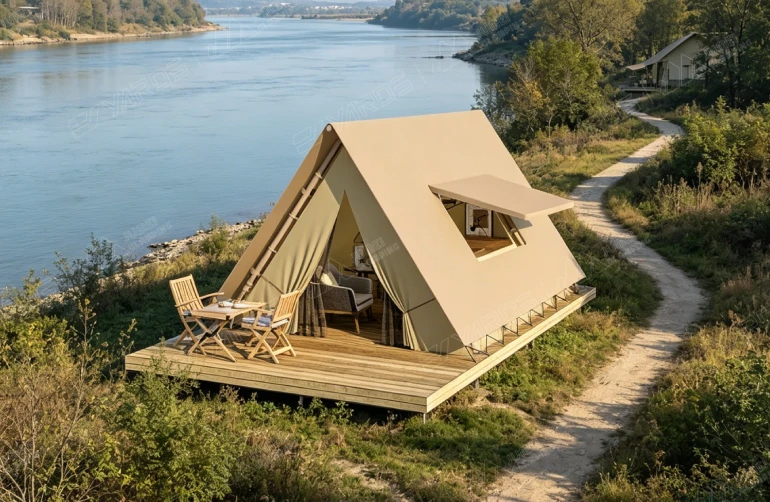
For most new resort projects, starting with a moderate number of safari tents is often the most practical approach. Rather than investing heavily in a large-scale development from the beginning, many successful operators launch with enough accommodation to establish their brand, evaluate market demand, and optimize daily operations before expanding.
A resort with 8 to 15 safari tents is generally considered an ideal starting point for many investors. This scale provides sufficient accommodation to welcome different guest groups while keeping the initial investment relatively manageable. It also allows operators to maintain high occupancy rates during the early stages of business development.
For boutique luxury resorts that focus on privacy and premium experiences, a smaller number of carefully designed safari tents may be even more attractive. Fewer units create a quieter atmosphere, provide guests with greater personal space, and support higher room rates by emphasizing exclusivity.
Larger tourism destinations with established visitor traffic may choose to begin with 20 to 30 safari tents or more. This capacity allows resorts to accommodate families, couples, group travelers, and corporate retreats simultaneously while supporting restaurants, recreational facilities, and outdoor activities.
The available land also influences purchasing decisions. Safari tents should not be placed too closely together. Proper spacing improves privacy, enhances the guest experience, and allows room for pathways, landscaping, outdoor seating areas, and future expansion. A well-planned layout often creates a more attractive and comfortable environment than simply maximizing the number of accommodation units.
Target customer groups should also be considered. Resorts designed for couples may require fewer but more luxurious safari tents with private terraces and bathrooms. Family-oriented destinations may benefit from larger accommodation units and additional public spaces that encourage longer stays and group activities.
Seasonal demand is another important factor. Resorts located in year-round tourism destinations can often justify purchasing more units from the beginning, while projects operating in seasonal markets may prefer gradual expansion after establishing stable occupancy levels.
One advantage of safari tents is their modular nature. Unlike conventional hotel buildings, additional units can be installed as business grows. This flexibility allows investors to control cash flow while reducing financial risk during the early stages of development.
From an operational perspective, purchasing an appropriate number of safari tents also helps maintain service quality. Managing housekeeping, maintenance, guest services, and daily operations is generally much easier when the resort grows at a sustainable pace.
Besides accommodation, investors should also allocate part of their budget for supporting facilities such as reception areas, restaurants, outdoor lounges, activity zones, parking areas, landscaping, and utility infrastructure. A balanced investment creates a more complete guest experience and contributes to stronger long-term profitability.
When planning to Buy Safari Tent, choosing a reliable manufacturer is equally important. High-quality structures, durable materials, weather resistance, professional installation guidance, and dependable after-sales support all contribute to lower maintenance costs and a better guest experience throughout the product’s lifespan.
Ultimately, there is no single ideal number of safari tents for every project. The most successful resorts are those that match their accommodation capacity with market demand, available land, operational capabilities, and long-term business goals. Beginning with a well-planned number of units and expanding as occupancy grows is often the most effective strategy.
Overall, purchasing safari tents is not only about selecting the right product—it is about building a sustainable hospitality business. With thoughtful planning and a phased investment approach, safari tents can help create profitable outdoor resorts that continue to grow alongside the increasing demand for unique glamping experiences.