
Outdoor tourism is changing as travelers look for accommodation that combines natural surroundings with comfort and privacy. For entrepreneurs planning to launch a resort, Safari Tent Glamping offers an appealing way to enter the hospitality market without necessarily investing in a large conventional hotel building.
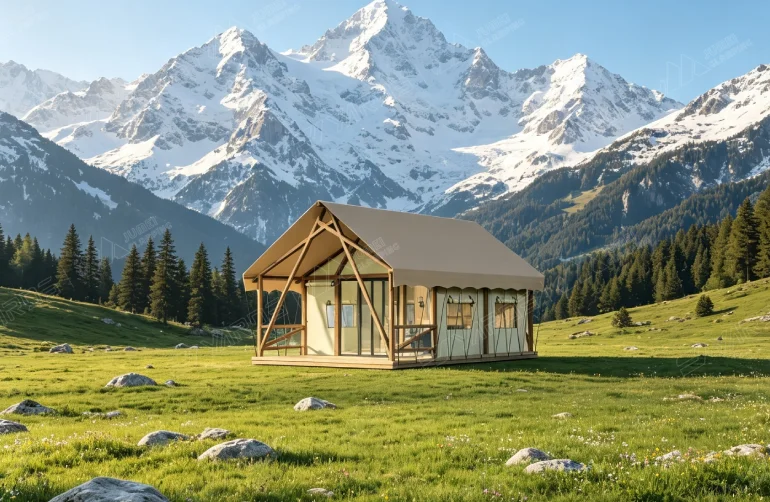
From forest retreats and lakeside camps to mountain destinations and wildlife tourism areas, glamping projects can create distinctive guest experiences while making use of scenic locations. With careful planning, safari tents can help new resort businesses build an attractive concept and develop a flexible accommodation offering.
Why Safari Tent Glamping Is Gaining Popularity
Modern travelers increasingly value experiences that feel personal, relaxing, and connected to nature. Traditional camping appeals to outdoor enthusiasts, but not every guest wants to bring camping equipment or sacrifice everyday conveniences.
Safari Tent Glamping bridges this gap by combining an outdoor atmosphere with more spacious interiors and comfortable furnishings. Depending on the model, tents can include bedrooms, living areas, private bathrooms, and covered verandas. Large windows and elevated platforms can also improve views and create a stronger connection with the surrounding landscape.
For resort owners, this accommodation style can appeal to couples seeking a romantic escape, families planning a weekend break, and international visitors looking for a memorable nature-based holiday.
Is a Glamping Resort a Suitable Startup Investment?
For first-time investors, the main challenge is balancing startup costs with the ability to attract guests and generate revenue. Compared with some permanent hotel structures, safari tents may offer a more flexible approach to developing an outdoor accommodation project. However, the actual investment depends on the tent specification, site preparation, transportation, installation, utilities, and local building requirements.
A practical strategy is to begin with a manageable number of units and expand as demand becomes clearer. This allows entrepreneurs to test pricing, understand guest preferences, and improve operations before committing to a larger development.
Location is equally important. Accessibility, local attractions, seasonal weather, and nearby tourism activities can all influence occupancy. Investors should also prepare a realistic operating budget covering cleaning, staff, maintenance, marketing, insurance, and replacement of worn components.
Industry Trends and Resort Development
The future of Safari Tent Glamping is closely connected to the wider growth of experience-focused tourism. Travelers often seek accommodation that offers something beyond a standard hotel room, such as panoramic views, outdoor dining, private decks, or unique architectural designs.
Resorts can respond by developing themed accommodation, offering guided outdoor activities, and creating shared spaces where guests can relax and socialize. Sustainable site planning is another important consideration. Minimizing unnecessary land disturbance, managing water and waste, and selecting materials suited to the local climate can help support long-term operations.
Competition is also increasing, so a successful resort needs more than attractive tents. Clear branding, professional photography, online booking, responsive customer service, and consistent maintenance all contribute to guest satisfaction and repeat visits.
Choosing the Right Safari Tent Supplier
A reliable supplier can make a significant difference to a new project. Before purchasing, investors should compare structural design, fabric quality, weather resistance, customization options, delivery arrangements, and after-sales support. Requesting detailed specifications and reviewing completed projects can help reduce uncertainty.
Brands such as Jumei may be worth considering when comparing suppliers for customized glamping accommodation. The best choice should ultimately depend on the project’s location, budget, design requirements, and long-term maintenance needs.
Building a Resort with Long-Term Potential
Safari Tent Glamping can provide startup investors with a distinctive way to enter the outdoor hospitality market. By combining the right location, comfortable accommodation, thoughtful guest services, and realistic financial planning, entrepreneurs can build a resort concept that responds to changing travel preferences while allowing room for future growth.