
As outdoor hospitality continues to evolve, investors often compare canvas safari tents for sale with glass-based accommodations such as domes or cabins. Each material offers unique benefits depending on climate, guest experience, and project goals.
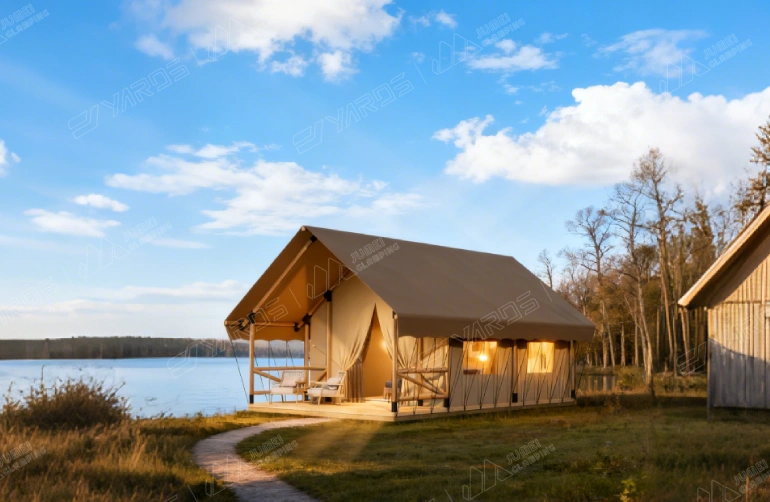
Advantages of Canvas Safari Tents
Natural breathability and comfort
Canvas allows air circulation, reducing condensation and maintaining a comfortable indoor climate, especially in warm or humid environments.
Temperature regulation
Canvas provides natural insulation, keeping interiors cooler during the day and warmer at night without heavy energy consumption.
Strong connection to nature
The soft texture and natural appearance of canvas blend seamlessly into outdoor environments, delivering an authentic safari and eco-lodge experience.
Lower construction impact
Canvas safari tents require minimal foundations, helping preserve natural landscapes and reduce environmental disturbance.
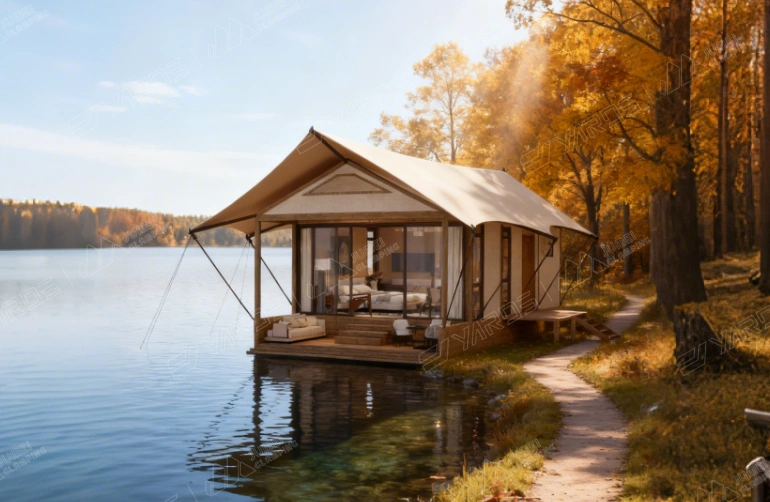
Advantages of Glass-Structured Accommodations
Panoramic views and visual appeal
Glass structures provide uninterrupted views of surrounding landscapes, offering a premium visual experience for guests.
Modern and luxury positioning
Glass accommodations create a contemporary, high-end image that appeals to travelers seeking unique and photogenic stays.
All-season durability
With proper insulation and structure, glass units can perform well in cold climates and harsh weather conditions.
Which Option Is Right for Your Project?
Canvas safari tents are ideal for eco-resorts, warm climates, and projects emphasizing sustainability and nature immersion. Glass structures suit locations where views and modern luxury are the main selling points.
Conclusion
Both canvas safari tents for sale and glass-based accommodations have clear advantages. The right choice depends on your location, target guests, and investment strategy.