
In recent years, outdoor tourism has experienced remarkable growth as travelers increasingly seek experiences that combine comfort, nature, and adventure. This shift has driven the popularity of Safari Tent Glamping, making it one of the fastest-growing accommodation categories in the hospitality industry. For both travelers and investors, safari tent glamping represents a modern approach to outdoor living that aligns with evolving tourism trends.
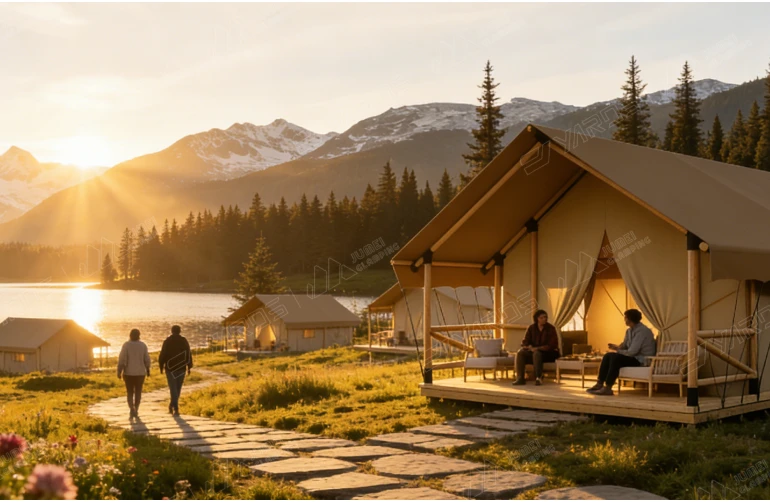
Today’s consumers are no longer satisfied with traditional sightseeing alone. Many travelers want to immerse themselves in natural environments while still enjoying the conveniences of modern accommodation. Safari tent glamping provides exactly this balance. Guests can experience forests, mountains, lakes, deserts, and other scenic destinations without sacrificing comfort, privacy, or convenience.
One of the main reasons travelers are attracted to safari tent glamping is the unique experience it offers. Unlike conventional hotel rooms, safari tents create a stronger connection with nature. Guests can wake up to beautiful landscapes, enjoy fresh air from private decks, and experience outdoor environments in a more authentic way.
Comfort is another important factor driving demand. Modern safari tents often include spacious bedrooms, private bathrooms, comfortable furnishings, climate-control systems, and stylish interiors. These features allow visitors to enjoy a luxury accommodation experience while remaining surrounded by nature.
The growing influence of social media has also contributed to the popularity of safari tent glamping. Travelers increasingly seek accommodations that provide memorable and visually appealing experiences. Safari tents often feature distinctive designs and scenic locations that encourage guests to share photos and travel stories online, helping destinations gain additional exposure.
As consumer interest continues to rise, investors are paying close attention to the outdoor hospitality market. Safari tent resorts have become an attractive option because they offer a unique accommodation product that differentiates itself from traditional hotels.
Compared with conventional hospitality developments, safari tent projects often provide greater flexibility. Resorts can be developed in phases, allowing investors to begin with a smaller number of units and expand as market demand grows. This approach can help reduce initial investment pressure while maintaining future growth opportunities.
Another advantage is location adaptability. Safari tents can be installed in a wide range of natural environments, making them suitable for eco-tourism destinations, mountain retreats, lakeside resorts, desert camps, and countryside developments. This flexibility enables investors to take advantage of unique landscapes that appeal to modern travelers.
The rise of wellness tourism, eco-tourism, and experiential travel has further strengthened the market outlook for safari tent accommodations. More guests are prioritizing meaningful experiences, outdoor activities, and nature-based escapes, creating sustained demand for glamping-style resorts.
For resort operators, safari tent glamping can also support premium pricing strategies. Travelers are often willing to pay higher rates for accommodations that provide privacy, distinctive design, and memorable outdoor experiences. This pricing potential can improve revenue performance and overall project profitability.
The future of safari tent glamping appears highly promising as tourism continues to evolve toward experience-focused travel. The combination of comfort, sustainability, and connection with nature positions safari tents as an attractive solution for both guests and hospitality investors.
Overall, Safari Tent Glamping reflects a major shift in travel preferences. Growing consumer enthusiasm for outdoor experiences, combined with the increasing investment interest in glamping resorts, suggests that safari tent accommodations will remain a significant trend in the global hospitality industry for years to come.